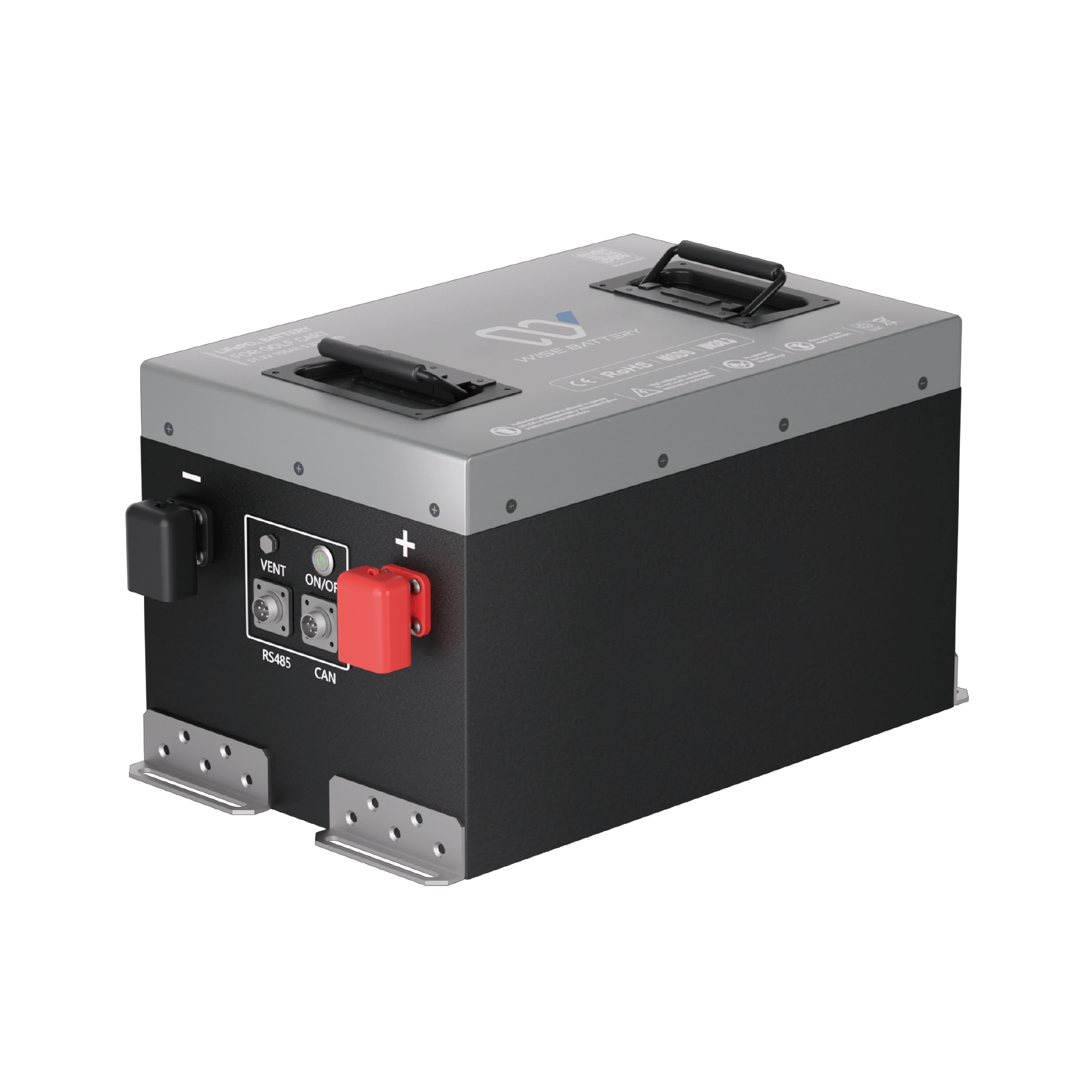
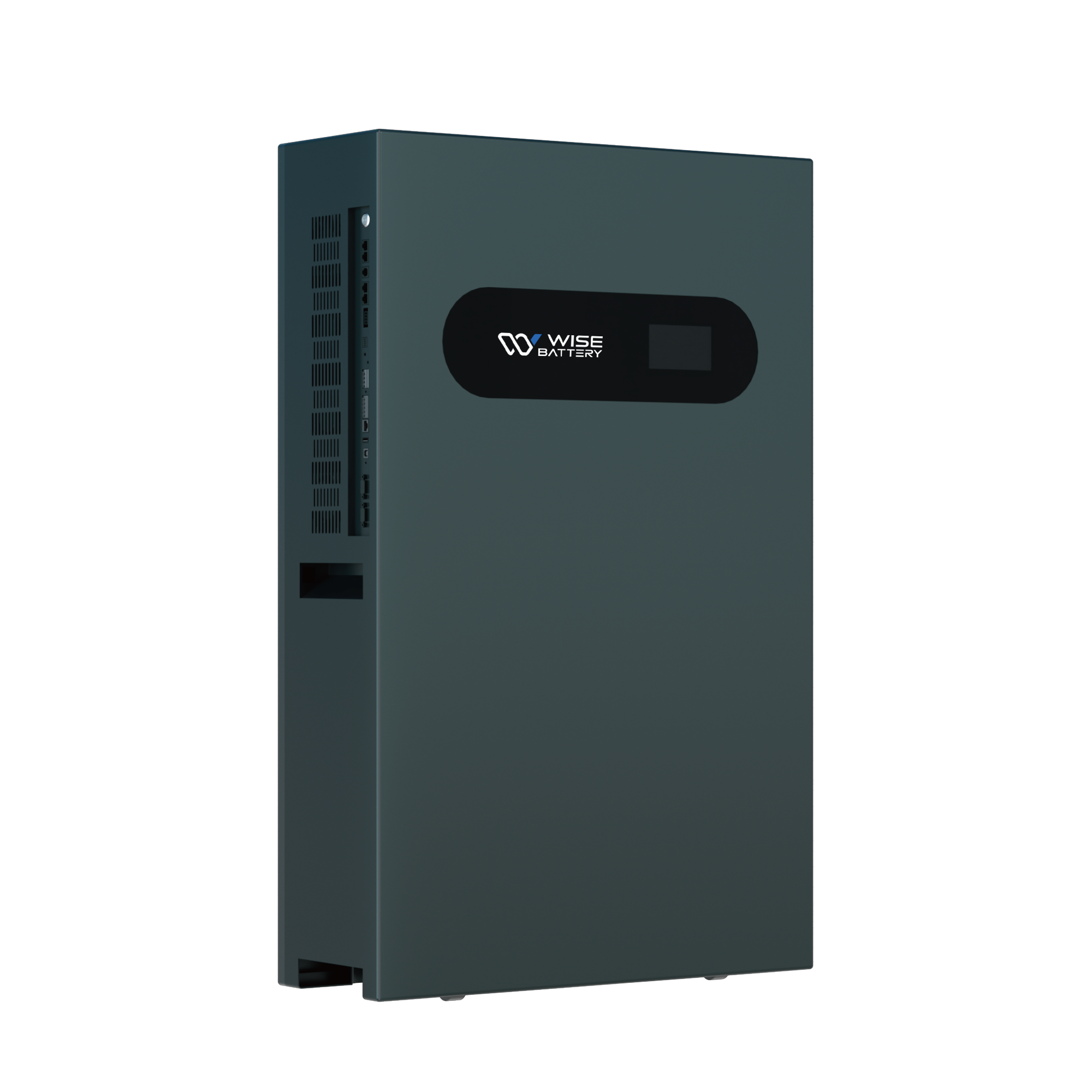
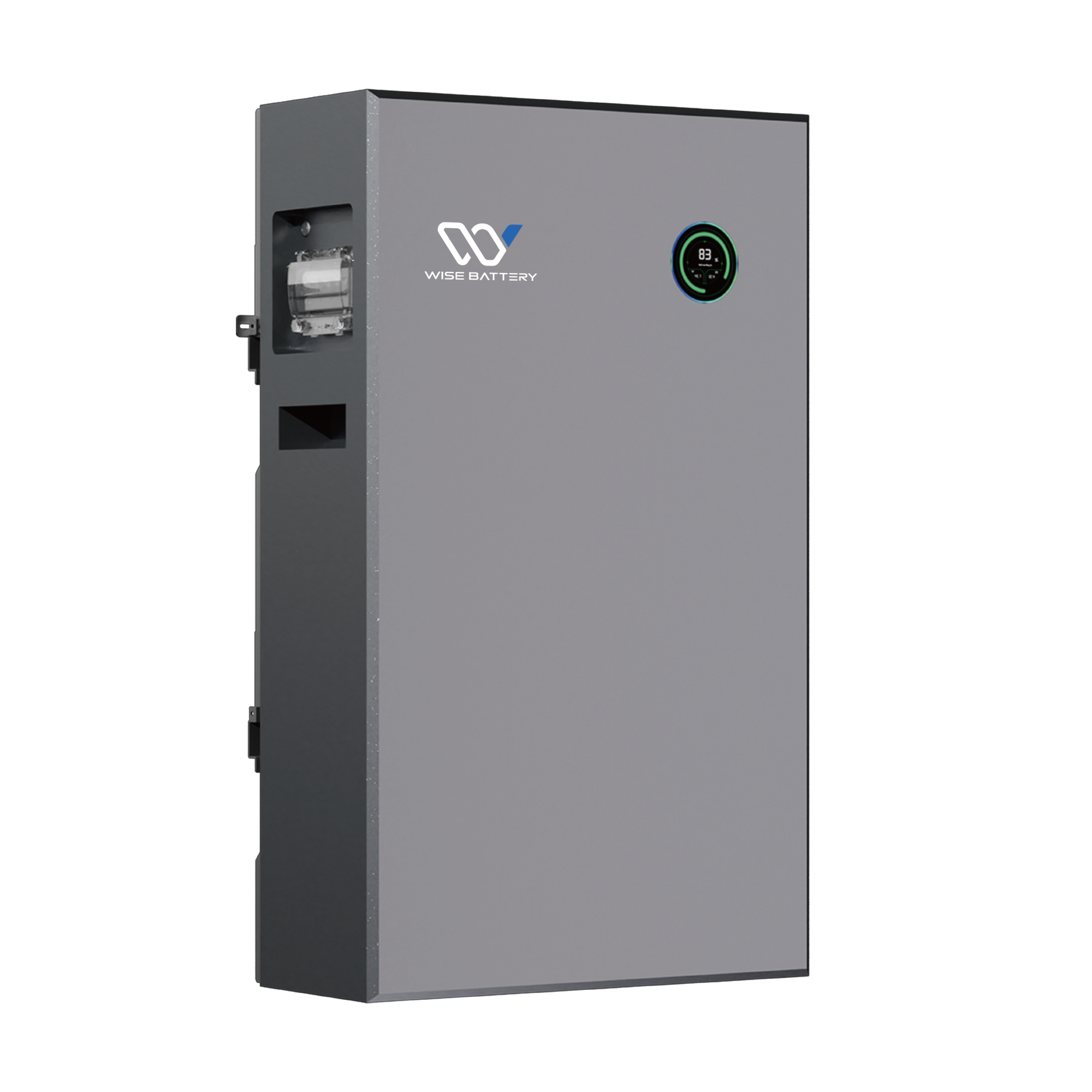
Explore six battery and energy storage series.
Find a solution around your application and project goals.
Explore product documents, software resources and the latest articles.
Custom battery solutions engineered around your equipment, application and technical requirements.
Define the host equipment, battery interfaces and operating conditions before setting the scope for design, sample validation and production.
Representative formats for application-specific battery projects.
Pack layout around the electrical load and installation envelope.
Module interfaces and arrangement for a larger battery assembly.
Enclosure, mounting and connector placement for the host equipment.
Battery, protection and communication scope agreed for the application.
Review the configuration requirements for your application.
Define the electrical parameters around your equipment and operating needs.
Match the battery voltage to the equipment and inverter.
Define the required battery capacity from the use pattern.
Plan stored energy around the loads and desired runtime.
Review the current needed during sustained operation.
Allow for startup demand and short load peaks.
Review charging current against the battery and charging source.
Match charging settings to the proposed battery configuration.
Review the electrical arrangement required by the host equipment.
Tailor the physical design to fit your system, installation and integration requirements.
Define the physical envelope available in the host equipment.
Review weight constraints and handling requirements.
Identify the retention points and fixing requirements.
Place connections within the available installation space.
Plan cable paths with access and clearance for service.
Define the enclosure arrangement and service access.
Define battery management and communication around the host equipment and protective requirements.
Monitor cell-level information through the battery management system.
Review the voltage and current signals required by the system.
Define sensor positions and temperature monitoring needs.
Review protective limits and the required system response.
Define cell balancing requirements for the proposed battery.
Agree the CAN interface and the messages required by the host.
Confirm the RS485 interface and communication requirements.
Document host-specific signals, messages and interfaces.
Define environmental performance and the compliance requirements for the target application and market.
Describe the temperatures expected during operation.
Identify the expected conditions when the battery is stored.
Confirm the installation location and environmental exposure.
Define the ingress protection required for the application.
Describe the vibration conditions of the host equipment.
Identify expected moisture and humidity exposure.
Specify the destination and applicable documentation requirements.
Review project requirements, documents, samples and test coordination.
Define product identity and production details around your brand and project plan.
Agree on the supplied brand artwork and logo position.
Specify the product color and finish for review.
Define product identification and required label information.
Review printed markings and their placement.
Plan protection and handling around the product and delivery route.
Define the installation, operation and service documentation.
Confirm the number of samples needed for review.
Share the expected production volume for planning.
Project stages from initial review to delivery.
Capture the host equipment and project constraints.
Review the proposed scope and unresolved technical questions.
Define the layout, enclosure and host interfaces.
Build a sample against the agreed configuration.
Review results against the project acceptance criteria.
Confirm the sample and supporting documentation.
Review assembly, inspection and traceability.
Coordinate the agreed batch, packaging and handover.
Tell us about your application, existing equipment and project goals.